


Disclaimer: The information provided in this article is for educational purposes only and should not replace professional medical advice. Always consult with your healthcare provider or a physical therapist before starting new exercises or treatments.
As we age, our bodies undergo natural changes—and our spines are no exception. For many people over 60, back pain transitions from an occasional annoyance to a daily hurdle that can limit mobility, independence, and overall quality of life.
If you are experiencing back pain, you aren’t alone, and more importantly, you don’t just have to “live with it.” Understanding what is happening in your spine is the first step toward finding relief. Here is a breakdown of the most common back problems older adults face and actionable steps you can take to protect your spine.
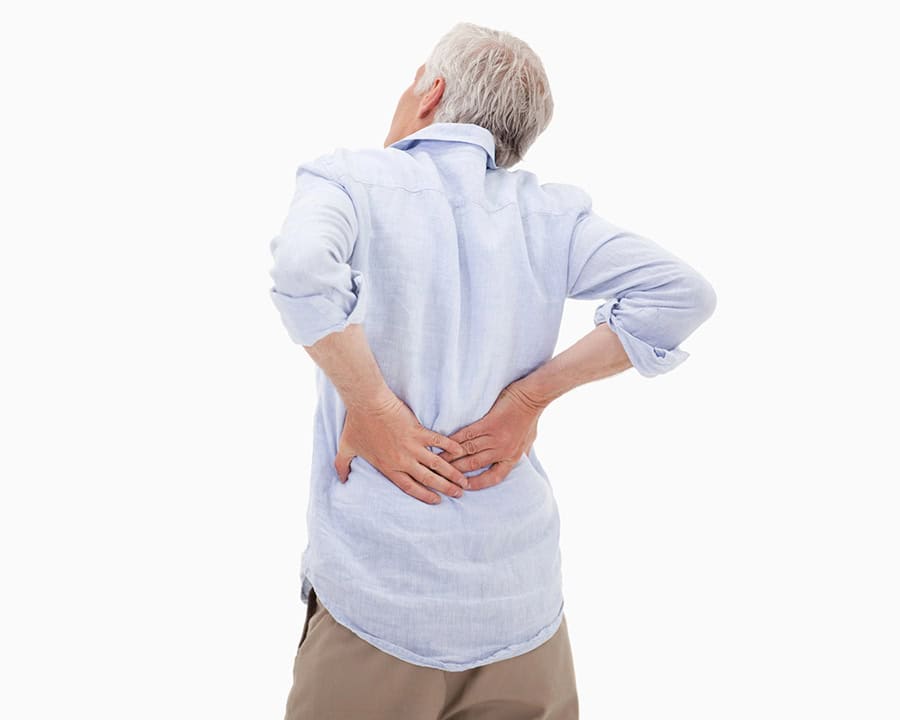
Common Age-Related Back Conditions
Rather than a single injury, back pain in our 60s and beyond is usually the result of gradual wear and tear. Here is a quick guide to the five most common culprits:
| Condition | What is happening? | Common Symptoms |
| Degenerative Disc Disease (DDD) | The spongy discs between your vertebrae lose water, becoming less flexible and thinning out. | Aching lower back pain that worsens when sitting, bending, or lifting. |
| Spinal Stenosis | The spinal canal narrows (often due to bone spurs), putting pressure on the spinal cord and nerves. | Numbness, tingling, or weakness in the legs that improves when you lean forward. |
| Osteoarthritis | The cartilage protecting the facet joints in your spine wears away, causing bones to rub together. | Morning stiffness, localized pain, and a decreased range of motion. |
| Osteoporosis | Bones lose density and become brittle, making the vertebrae susceptible to small compression fractures. | Loss of height, stooped posture, and sudden, severe back pain. |
| Sciatica | The sciatic nerve (running from the lower back down the legs) becomes pinched or irritated. | Sharp, shooting pain, numbness, or a “pins and needles” sensation down one leg. |
Proactive Management: How to Protect Your Spine
While you cannot stop the clock, you can heavily influence how these age-related changes affect your daily life. Treating back pain requires a multifaceted approach.
1. Movement is Medicine (The Right Kind)
Resting for more than a day or two can actually make back pain worse by stiffening muscles. The key is low-impact movement that builds core strength to support your spine.
Water aerobics and swimming: The buoyancy of water takes the pressure off your joints while providing excellent resistance.
Tai Chi and gentle Yoga: These practices improve balance, flexibility, and spatial awareness, which also helps prevent falls.
Walking: A daily, brisk walk is one of the best things you can do for spinal health, as it promotes healthy blood flow to spinal structures.
2. Everyday Ergonomics
Small adjustments to how you move throughout the day can drastically reduce spinal stress.
Lifting: Never bend at the waist to pick something up. Bend your knees, keep your back straight, and hold objects close to your chest.
Sitting: Avoid soft, deep sofas that round your lower back. Use chairs with firm lumbar support, and try not to sit for more than 45 minutes at a time.
Sleeping: If you sleep on your back, place a pillow under your knees. If you sleep on your side, put a pillow between your knees to keep your hips and spine aligned.
3. Nutrition for Bone and Joint Health
What you eat directly impacts your spine’s structural integrity.
Combat Osteoporosis: Ensure you are getting adequate Calcium (dairy, leafy greens) and Vitamin D (sunlight, fortified foods, or supplements) to maintain bone density.
Reduce Inflammation: An anti-inflammatory diet rich in Omega-3 fatty acids (found in salmon, walnuts, and flaxseed) can help manage the joint pain associated with Osteoarthritis.
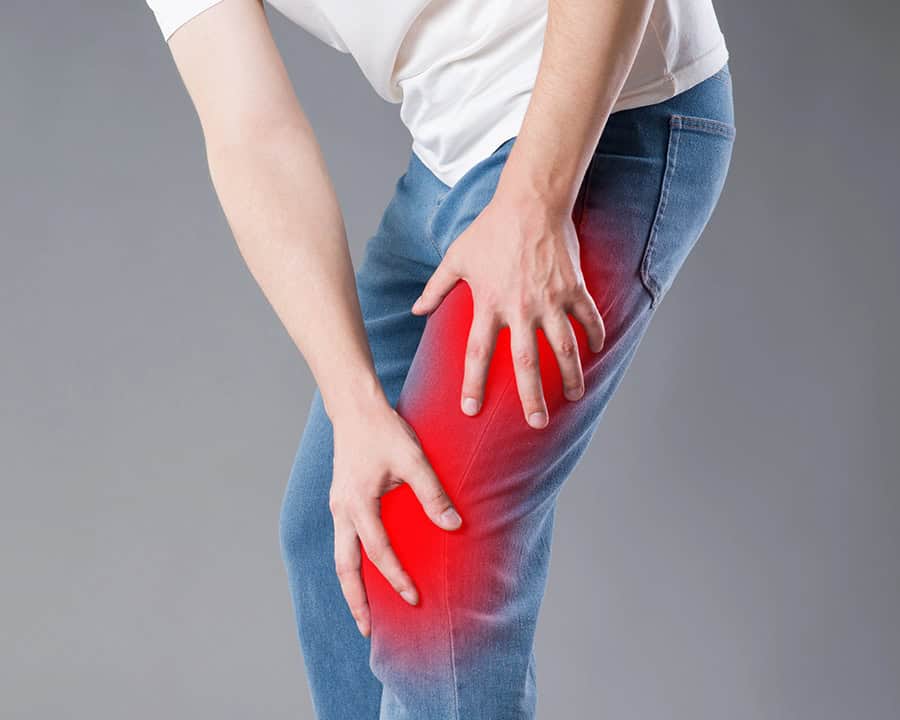
When to See a Doctor
While minor aches are normal, some symptoms require immediate medical attention. Do not try to “tough it out” if you experience:
- Pain that wakes you up at night.
- Unexplained weight loss accompanied by back pain.
- Loss of bowel or bladder control.
- Sudden, severe pain after a minor fall.
- Numbness or profound weakness in your legs.
The Takeaway: Your spine has supported you for over six decades. By combining targeted exercises, smart daily habits, and guidance from a healthcare professional, you can minimize pain and stay active for years to come.
Liked this post? Here are some additional posts by Bellefleur Physiotherapy.
Kinesiology Tape: 3 reasons why it’s beneficial and an advantage in the recovery process
Headaches, jaw pain and teeth grinding: are these problems all related to the TMJ?