


It is the oldest debate in medicine: “I hurt myself. Do I put ice on it or heat?”
For decades, the standard advice was simple: R.I.C.E. (Rest, Ice, Compression, Elevation). But if you have been following recent sports science, you know that the rules have changed. In fact, relying too heavily on ice might actually be slowing down your healing.
At Bellefleur Physiotherapy, we want you to recover as fast as possible. Here is the modern, science-backed guide to using temperature for pain relief.
The New Science: Why We Don’t Just “Freeze It” Anymore
Inflammation has a bad reputation. We see swelling and think, “I need to stop this!”
But inflammation is actually the first stage of healing. When you sprain your ankle or tweak your back, your body sends a “construction crew” of white blood cells to the area to repair the damage.
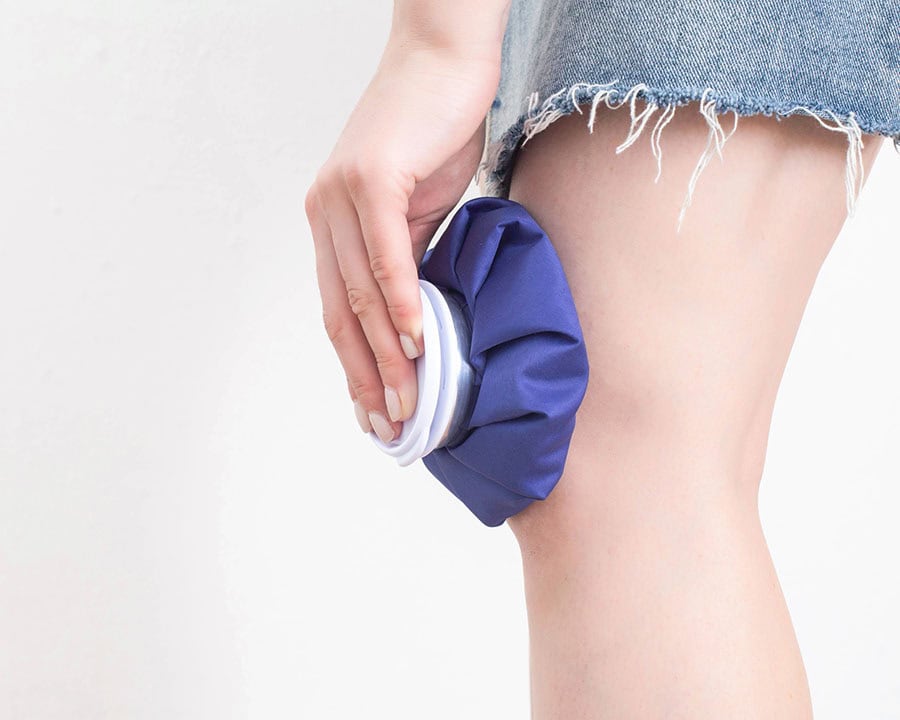 When you apply ice immediately and aggressively, you constrict the blood vessels. While this numbs the pain (which is good!), it can also lock the “construction crew” out of the job site. This effectively pauses the healing process until the ice comes off.
So, When Should You Use Ice?
Ice is still a powerful tool, but think of it as a painkiller, not a healer. Use ice (Cryotherapy) for:
-
Acute Injuries (0-48 hours): A fresh ankle sprain, a sudden knee twist, or a bruise that is hot to the touch.
-
Severe Swelling: If your joint looks like a balloon, ice can help manage the pressure.
-
“Hot” Pain: If the pain feels sharp, throbbing, or burning.
How to do it: 10 minutes on, 20 minutes off. Never place ice directly on the skin.
When Should You Use Heat?
Heat is your best friend for chronic issues and stiffness. Heat opens up blood vessels (vasodilation), bringing fresh oxygen and nutrients to the area while flushing out metabolic waste.
Use heat (Thermotherapy) for:
-
Morning Stiffness: If you wake up with a stiff lower back or neck.
-
Chronic Back Pain: Old injuries that ache after a long day of sitting.
-
Pre-Workout Prep: To loosen up tight muscles before you go for a run or play tennis.
-
Stress Tension: Ideally for those “knots” in your shoulders from sitting at a desk.
How to do it: A hot water bottle, heating pad, or warm bath for 15–20 minutes.
The “Peace & Love” Protocol
Dr. Gabe Mirkin, the doctor who invented the R.I.C.E. protocol in 1978, actually retracted it in 2015! He admitted that total rest and ice delayed healing.
Today, we use PEACE & LOVE:
-
Protect the injury for a day or two.
-
Elevate the limb.
-
Avoid Anti-inflammatories (let the body heal naturally if possible).
-
Compress the area.
-
Educate yourself on the injury.
-
&
-
Load: Gradually add weight/movement.
-
Optimism: Your brain controls pain perception.
-
Vascularization: Cardio helps blood flow.
-
Exercise: Restore strength.
Common Questions (FAQ)
“Can I put heat on a fresh injury?” No. Putting heat on a fresh sprain (within the first 2-3 days) is like throwing gasoline on a fire. It increases blood flow to an area that is already bleeding internally or swelling, which will make the pain and throbbing worse.
“Is ice or heat better for sciatica?” It depends on the cause, but generally, heat is better for sciatica caused by muscle tightness (Piriformis Syndrome) because it relaxes the muscle squeezing the nerve. If the pain is searing and “electric,” ice on the lower back might help numb the nerve root.
“How long should I ice an injury?” Limit icing to 10-15 minutes. Leaving ice on for too long (20+ minutes) can cause a “rebound effect” where the body rushes blood back to the area to warm it up, causing more swelling.
Still Not Sure?
If you are dealing with a nagging injury that won’t go away with home remedies, you might need more than just a hot pack. You need a plan.
Don’t guess with your recovery. Book an assessment at our Orleans or Beechwood clinic today.

Latest posts by Jason Bellefleur (see all)
- Microtears: The “Good” Pain vs. The “Bad” Pain (And How to Recover in Rockland) - February 3, 2026
- Shockwave Therapy in Orleans: What It Is and Who It Can Help - January 16, 2026
- “Backhanded” by Elbow Pain: A Complete Guide to Tennis Elbow - January 15, 2026