


Pain behind the knee is commonly caused by a Baker’s cyst, hamstring tendonitis, a meniscus tear, or a calf strain. Also known as posterior knee pain, this discomfort can range from a dull ache to a sharp restriction when bending the leg. Getting an accurate diagnosis from a physiotherapist is the first step to effective relief and preventing long-term joint damage.
We rely on our knees for almost every movement we make. While pain in the front of the knee is incredibly common, experiencing back of knee pain can be confusing and alarming. It often feels stiff, full, or tight, making it difficult to fully straighten your leg or squat down.
Because the back of the knee (the popliteal fossa) is a complex intersection of muscles, tendons, ligaments, and nerves, pinpointing the exact cause is crucial. Here are the most common culprits we see at Bellefleur Physiotherapy.
Is it a Baker’s Cyst?
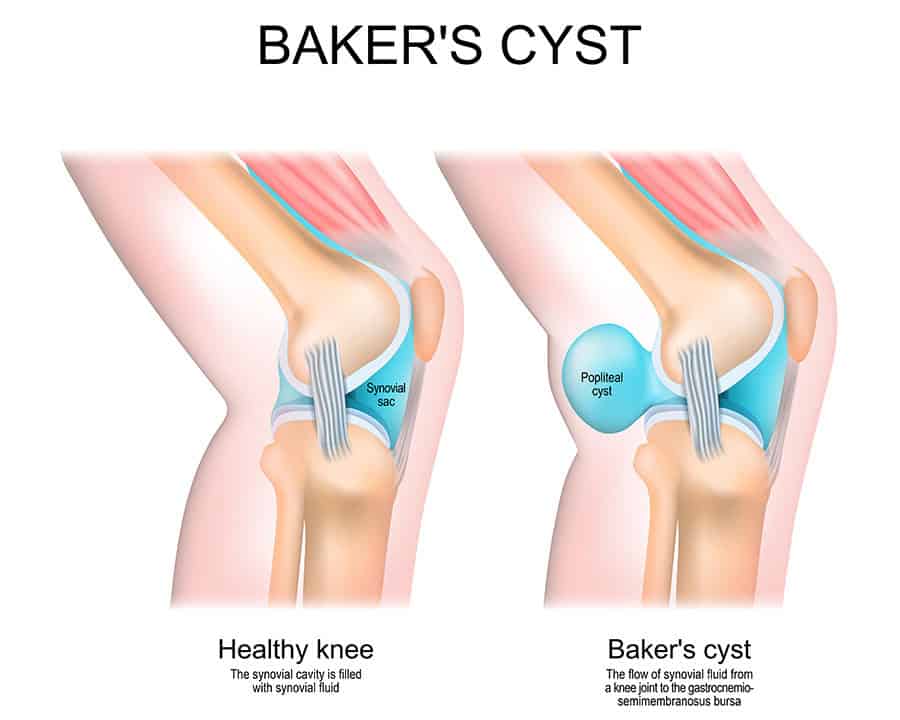
A Baker’s cyst (or popliteal cyst) is one of the most frequent causes of posterior knee pain. It is a fluid-filled sac that forms when excess joint fluid is pushed into the back of the knee.
How it feels: It often feels like a water balloon is sitting behind your joint. You will likely experience a feeling of fullness, tightness, and a visible bulge that gets worse when you fully bend or straighten the leg.
Why it happens: A Baker’s cyst is rarely an isolated issue; it is usually a secondary symptom of an underlying knee problem, such as arthritis or a cartilage tear, that is causing the knee to produce excess fluid.
 Hamstring Strain or Tendonitis
Your hamstring muscles run down the back of your thigh and cross the knee joint, attaching just below it.
How it feels: You will typically feel a nagging ache or sharp pain in the back of the knee and lower thigh, especially when bending the knee against resistance or stretching the leg out straight.
Why it happens: This is highly common in runners, sprinters, and athletes who perform sudden stops and starts. Overuse leads to tendonitis (inflammation), while a sudden forceful movement can cause a physical strain or tear in the muscle fibers.
Meniscus Tear
The meniscus is a tough, rubbery C-shaped piece of cartilage that acts as a shock absorber between your thigh bone and shin bone. Each knee has two.
How it feels: A tear in the posterior horn (the back part) of the meniscus will cause deep pain behind the knee. You might also experience a “catching” or “locking” sensation, clicking sounds, and difficulty fully extending the leg.
Why it happens: Meniscus tears often happen during sports when you aggressively twist or rotate the knee with your foot planted. However, they can also occur gradually over time due to wear and tear as we age.
Calf Strain (Gastrocnemius)
Your calf muscle (gastrocnemius) actually starts just above the knee joint at the back of the thigh bone and runs down to your Achilles tendon.
How it feels: Pain that radiates from the back of the knee down into the fleshy part of the upper calf. It usually hurts most when pushing off your toes to walk or run.
Why it happens: Sudden acceleration (like pushing off to sprint or jumping for a tennis ball) can overstretch and tear the calf muscle fibers near the knee.
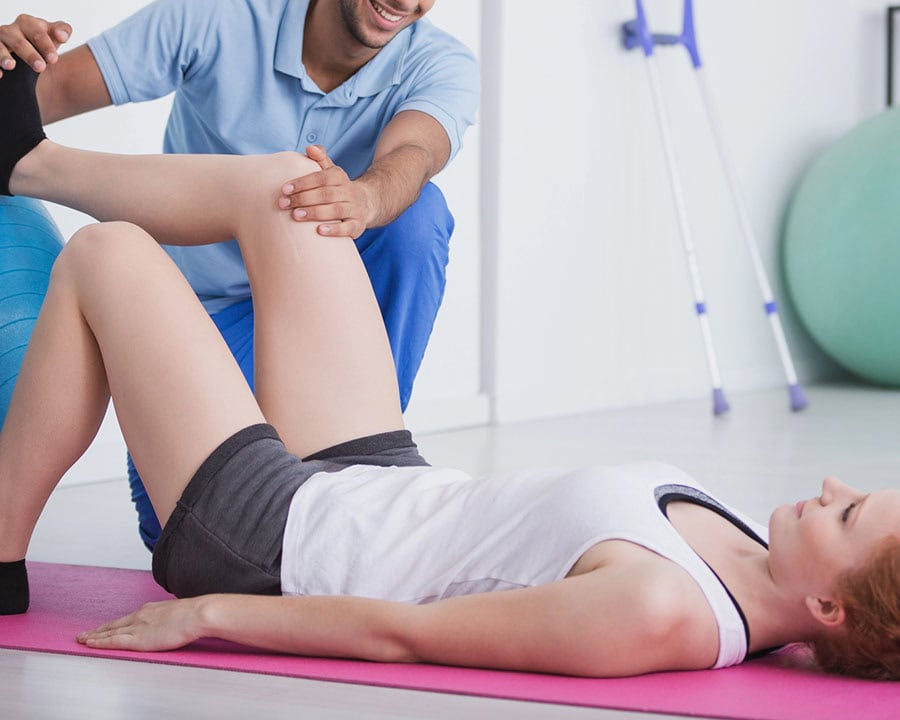 When to See a Physiotherapist
While a mild muscle strain might resolve with a few days of rest, posterior knee pain should not be ignored. You should seek a professional assessment immediately if:
- Your knee is severely swollen or red.
- You feel a “locking” or “giving way” sensation.
- The pain prevents you from putting weight on your leg.
- The stiffness doesn’t improve after a few days of rest.
Don’t Guess With Your Knees—Get a Diagnosis
Attempting random home stretches you found online can easily aggravate a meniscus tear or rupture a Baker’s cyst. Before you try to self-treat your pain behind the knee, let the experts take a look.
At Bellefleur Physiotherapy, we will perform specific orthopedic tests to identify exactly which tissue is causing your pain and build a customized rehabilitation program to get you back on your feet.
Stop living with knee pain. Book an assessment today at your nearest clinic:
Orleans: 2095 St. Joseph Blvd.
Beechwood: 111-222 Beechwood Ave.

Latest posts by Jason Bellefleur (see all)
- Pain Behind the Knee: Common Causes and When to See a Physio - March 4, 2026
- Microtears: The “Good” Pain vs. The “Bad” Pain (And How to Recover in Rockland) - February 3, 2026
- Shockwave Therapy in Orleans: What It Is and Who It Can Help - January 16, 2026